
In March 2025, a software engineer gave Tony Westbrooks a homework assignment: write one prompt for an AI tool.
Tony had been practicing law for nearly 20 years. The assignment terrified him. "You're afraid you're going to break it," he said. "You're afraid that it's going to yell at you or call you stupid."
A year and a half later, Tony runs his practice on tools he built himself. One of them is about to go into beta for other attorneys.
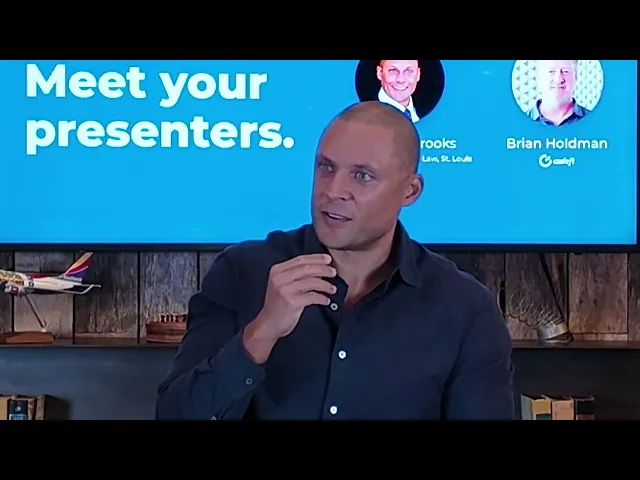
He told that story on Wednesday, November 4, at the third AI Industry Night at Codefi's Cape Hub in Cape Girardeau. Cara Dirnberger, Codefi's Director of AI Programs & Workforce Innovation, hosted. On the panel:
Tony Westbrooks, a trust and estates attorney and founder of Formula Law, based at the Cortex in St. Louis. A WashU Law graduate (2006), he spent six years in Edward Jones's legal and compliance departments before opening his own practice.
Brian Holdman, Codefi's CTO, who helped Tony connect payment processing to one of his tools.
The night kept coming back to one idea. The software built for lawyers didn't fit this lawyer. So he built his own.
The CRM that couldn't
Like most lawyers opening a practice, Tony started by buying a legal CRM. He pays $110 a month for it and uses about 10% of it, mostly for invoices.
Then community members asked him to prepare power of attorney documents for St. Louis's Latino immigrant community. He expected high volume, so he needed document automation with self-service forms. His CRM said it could do that. It couldn't. He bought a $200-a-year integration. That didn't work either. He found himself deep in APIs, spinning his wheels.
That was the turning point. "I don't know who they built this for," he said, "but it wasn't for me." He realized the tools now exist for people to build the tools they need.
Three tools, built by talking
Tony hired a software engineer for an intensive eight-week design build. The engineer taught him how to think about his work and how to use Lovable, an AI app builder. Then Tony started building.
His method is a conversation. He tells Lovable what he wants. It builds a prototype. He says what's close and what's off, and it tries again. Three tools came out of that loop:
Bulk watermark tool. Tony sometimes sends a client eight draft documents at once. Watermarking each one in Word takes about 10 clicks. Now he drags all eight in, clicks once, and they're marked in under a second. A process he counts at 110 clicks takes four.
Document scanner. Clients bring in deeds and old estate plans. Tony scans them to his email. His tool watches the inbox, reads each PDF with optical character recognition, and identifies the client and document type. He approves, and it files the document in the right client folder.
Invoice Companion. Built with a St. Louis payment processor, with Brian and Codefi handling the payment integration. It builds the invoice as Tony works the file, takes card payments, and keeps the IOLTA trust ledger the bar requires. It's heading into beta, and other attorneys can sign up.
The scanner keeps Tony in the loop on purpose. AI reads and sorts. He signs off before anything moves.
The cost surprised the room. The design build with the engineer was a real investment. The Lovable credits, Tony estimated, total about $500. He pays $50 a month and has never needed more.
Brian connected it back to the LegalZoom clients Tony sees. People go as far as they can on their own, then bring in an expert for the hard part. Builders work the same way. Codefi got Invoice Companion past the payments hump and handed it back. Tony kept building.
"Who better to build it than the people who understand the problem?" Brian asked.
A board of 17, all AI
Tony also built himself a board of directors: 17 AI advisors, including a chief strategist, a CMO, a CTO, and a mentor. He sends them status updates on Invoice Companion and asks for strategy and messaging advice.
He asks the mentor to push back. What are my blind spots? Who else is doing this work? What should I read?
The letter that used to wait until Friday
As a solo attorney, Tony drafts, takes calls, writes letters, does billing, and opens the mail. The legal work pays. The cover letters don't, so they used to slide to the end of the day, then the next day. By Friday, he'd have three to write.
Now a letter that took an hour takes 15 minutes. He squeezes it in before a call.
For drafting, he uses Gemini through a Google Workspace business account. As he understands it, documents he uploads there aren't used to train the model.
He still checks everything. Even with a template or a past letter as a guide, AI adds its own interpretations and formatting. He reads and reformats every document.
Tony drew a useful line. Asking AI to draft a letter is open-ended, so it's making its best guess. Asking it whether a client lives in Missouri, based on a document, has one right answer. He trusts the second kind far more than the first.
Where AI gets the law wrong
Tony tested an AI tool on trust and probate questions. It cited a statute with the right number and the wrong content. It invented legal theories that don't exist in Missouri's trust code.
He caught it because he's worked in that code for 20 years. A new lawyer might not. His advice to law students: learn AI the way you'd learn the internet, but it won't teach you to think like a lawyer.
Would you do your own surgery? That's how he sees AI-drafted wills. Clients who use online legal services still bring him their plans to review.
Used by someone who knows the law, though, it makes the work better. For a client with elder abuse concerns, Tony gave AI a power of attorney and described the situation. He asked how to strengthen it. AI suggested clauses. He kept some, revised the document, and gave the client a stronger plan.
He doesn't mind clients who show up with AI research, either. Most are close but confused, often about revocable versus irrevocable trusts. Answering their exact question builds trust faster.
Pick a tool and start
Which AI is best? Tony's pick for writing is DeepSeek. He compared it against ChatGPT and Gemini with the same prompt and liked its writing most.
Brian's take: the tools leapfrog each other every week. ChatGPT leans toward math and coding. Claude is a strong all-rounder, which is why Codefi uses it most. Sites that rank models by task can help you choose.
One attendee's office only allows Microsoft Copilot. Brian said it isn't there yet but could get there.
Asked about Lovable versus Claude Code, Tony compared it to John Deere versus Kubota. Pick one and start building. Brian added that Lovable and Replit bundle in a database and hosting, which makes them easier for first-time builders.
On privacy, Tony was firm. Client information never goes into a consumer AI account. He uses business accounts with privacy controls like SOC 2 compliance. On general tools, he keeps questions anonymous and doesn't even use his name.
Your homework
The last question came from someone working toward a paralegal career. They felt overwhelmed. Where do you even begin?
Tony said he sat in that same seat in March 2025. So he gave the same homework he got. Open Gemini and type the exact question you just asked him. Say you're overwhelmed. Ask where to start.
"Talk to it like it's your therapist," he said. One answer leads to a second question, then a third.
Brian suggested voice mode on the drive home. Tell it what you worked on today and that you don't know where to start. It will ask about your day and suggest a few places to begin.
In March 2025, Tony was afraid to type one prompt. Now he's launching software. The first step is the same for everyone.
Next: December 2, construction and manufacturing
The next AI Industry Night is Wednesday, December 2, at the Cape Hub, with a panel on AI in construction and manufacturing. Come even if it's not your field. Every session surfaces tools and habits that carry across jobs.
Also open now at the Cape Hub:
AI Builders Lab: office space for people actively building with AI, with mentorship included. Apply by emailing coworking@codefiworks.com.
Codefi AI Skills training: workshops and tracks for founders, business teams, and career changers.
Codefi Dev Studio: when your own build hits a wall, like Tony's payment integration, our developers can get you over it.
Learn fast. Build right. Gain traction.
AI Industry Nights: December 2
Construction and manufacturing take the panel at the Cape Hub in Cape Girardeau. Come with a question.
Relevant Links
AI Industry Nights, full series schedule and registration: codefiworks.com/cape-hub
October recap, "AI Writes the Listing. The Agent Still Makes the Call.": codefiworks.com/blog/ai-industry-nights-real-estate-recap
September recap, "Give It to the Intern": codefiworks.com/blog/ai-industry-nights-kickoff-recap
AI Builders Lab: apply at coworking@codefiworks.com
Codefi AI Skills training and workshops: codefiworks.com/ai-training
Codefi Dev Studio: codefiworks.com/software-dev-solutions